


The Green Inferno That Engulfed the American South
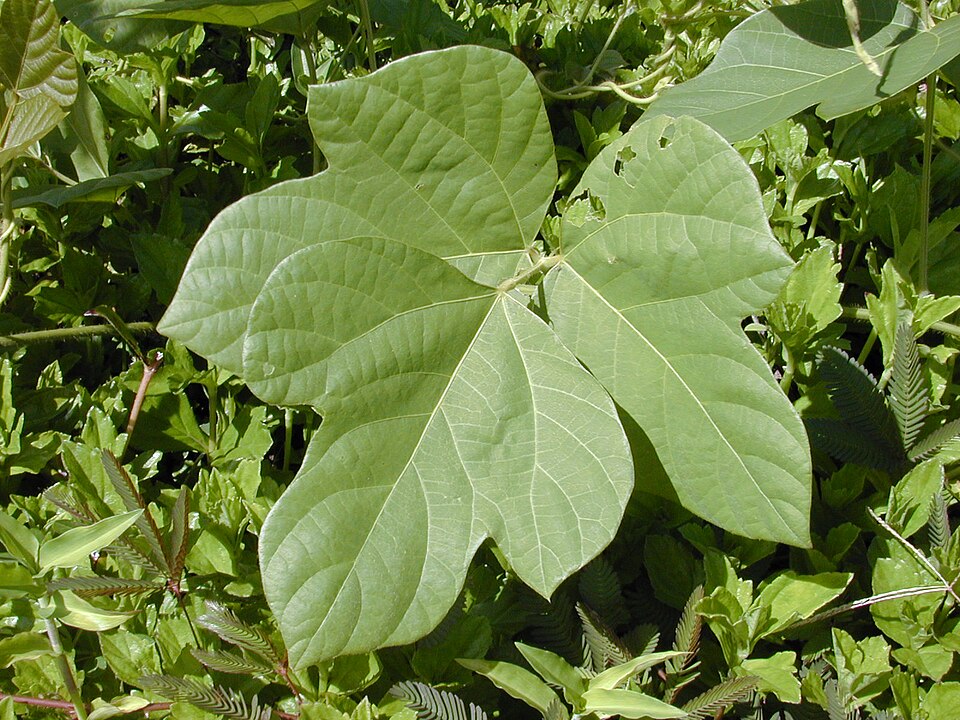
If you’ve ever driven through Georgia, Alabama, or Mississippi during the summer, you might have noticed a green, unending stretch of lush leaves. Entire trees covered in vines, abandoned houses practically swallowed by vegetation, and telephone poles that look more like enormous green pillars.
That’s kudzu, otherwise known as the vine that ate the South. I fell in love with the ethnobotany of kudzu because of the way it aesthetically clambers across abandoned buildings and cars. It’s quite beautiful and reminds me of how nature could always take over if it wanted to.
It’s a pretty fitting nickname for a plant that can grow up to a foot in a single day. But what’s interesting is that Americans once absolutely loved this stuff. We planted it in gardens, encouraged farmers to grow it, and even had a club dedicated to promoting it.
Meanwhile, in parts of East Asia, kudzu had already been used for centuries in food, medicine, and textiles.
So how did a plant that was once so highly valued end up becoming one of America’s most notorious invasive species?
America's Introduction to Kudzu
In 1876, kudzu was showcased at the Philadelphia Centennial Exposition as part of Japan's botanical displays. Its lush foliage, fragrant purple flowers, and rapid growth caught the attention of American farmers and gardeners. Cultivators saw it as an attractive ornamental vine and over the following decades, nurseries pushed kudzu as the perfect vine for covering porches, trellises, and other structures. Kudzu later appeared again in 1884–1885 New Orleans exposition, particularly in the South, making its popularity explode once more. Its dense foliage provided welcome shade from the Southern summer sun. Ironically, kudzu's greatest selling points ended up being the same characteristics to coin it as an ecological threat.
During the early twentieth century, the American South struggled with severe soil erosion to is agricultural land. This was due to decades of intensive farming which left large areas vulnerable to erosion. Kudzu appeared to offer a worthy solution. Its hardy roots helped stabilize soil, while its rapid growth provided ground cover and forage for livestock, particularly goats, cows and horses. During the 1930s and 1940s, federal conservation programs were distributing tens of millions of kudzu seedlings. I mean, literally, they we're encouraging farmers to plant them! Furthermore, Channing Cope even founded the Kudzu Club of America in 1943.
By the mid-1940s, they could guesstimate that three million acres had reportedly been planted with kudzu. Kudzu doesn't follow the rules and pretty much grows wherever it pleases, turning an agricultural solution into one of the South’s most infamous beautiful ecological terror.



Before the Invasion
So what exactly is kudzu? It belongs to a group of climbing plants in the genus Pueraria. It's also native to parts of Asia.
The plant most closely associated with whom we know from the American invasion is generally identified as Pueraria montana var. lobata, although botanical classifications and common names have varied across historical and scientific literature. It sometimes goes by "The vine that ate the south" or my personal favorite, the "Green Inferno"
In China, Japan, and Korea, kudzu and it's related fellows have been kept up a longstanding relationship, primarily involving food, medicine, and material production. Rather than being defined by its capacity to overgrow surrounding flora, kudzu was known for the resources it yielded.
A Plant of Medicine, Food, and Tradition
Kudzu in Chinese medicine
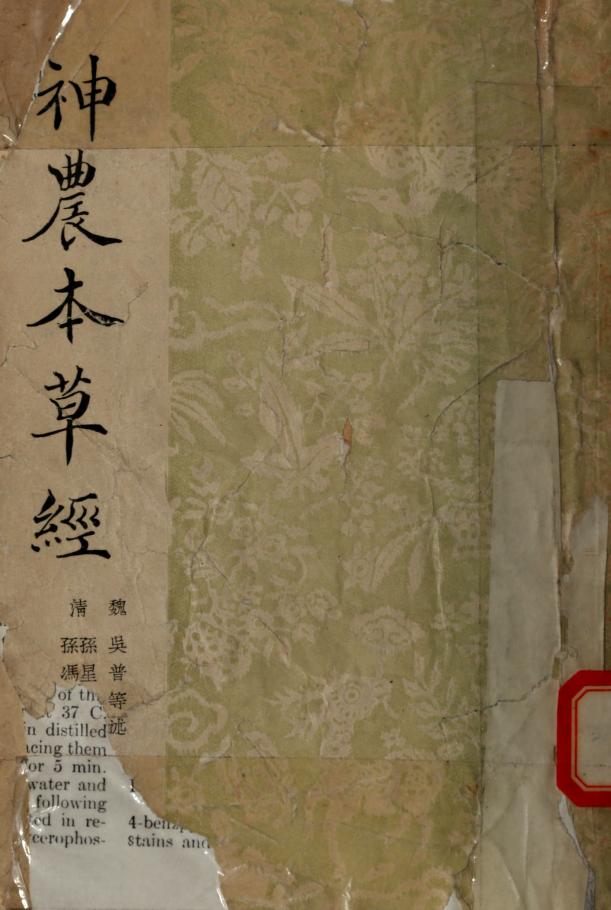
In Chinese herbal traditions, kudzu root is known as ge gen (葛根). Its medicinal use appears in historical medical literature, where it was associated with treatments for fever, thirst, digestive complaints, and a variety of other conditions.
The plant is discussed in deeply in tradition within the Shennong Bencao Jing, an early Chinese materia medica compiled from older medical knowledge that has subsequently been passed down and developed for centuries.
Traditionally, kudzu root was harvested, dried, and diced before being prepared as a decoction, a method that involves simmering plant material in water to extract its constituents. It was also mixed into multi-herb formulas, an important Chinese medicinal practice of combining botanical ingredients rather than relying on a single plant.
Modern researchers have investigated compounds found in kudzu roots, particularly isoflavonoids such as puerarin. This naturally occurring compound has been a scientific interest for its antioxidant and anti-inflammatory properties, as well as its potential effects on cardiovascular health and cellular signaling. Pretty cool!
Kudzu in Japanese cuisine
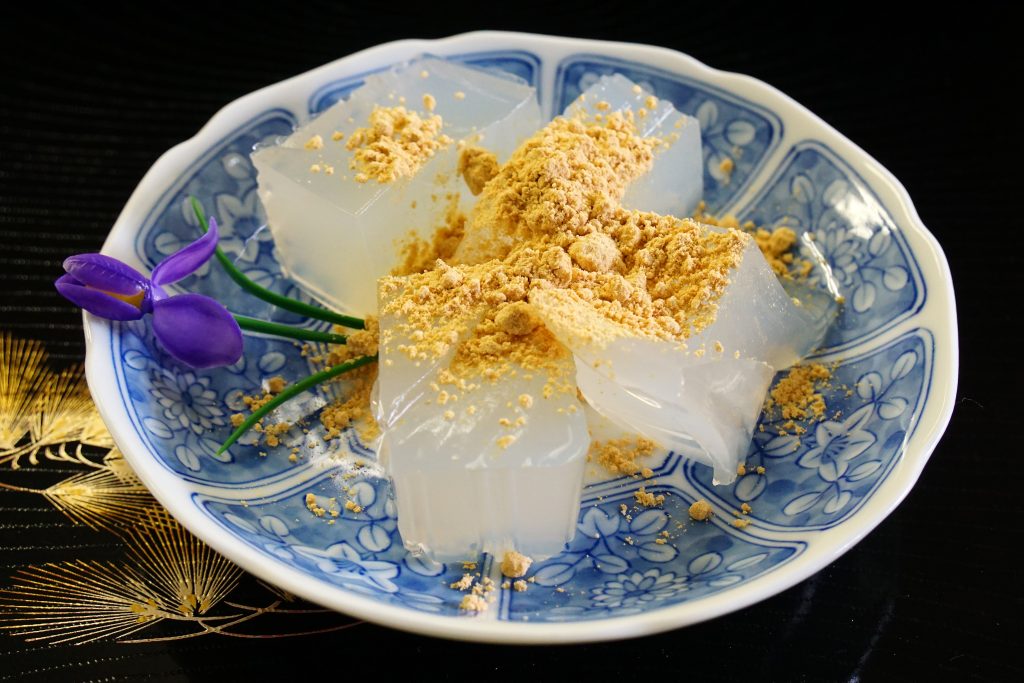
In Japan, kudzu is known as kuzu. Kuzu is a starch, renowned as a superior, gluten-free natural thickener and gelling agent! However, it's not super easy to find kuzu locally. You're more likely to find arrowroot or tapioca starch in its place.
Kuzu starch is widely used in various Japanese preparations, like sweets, sauces, and gelatinous desserts that require a delicate texture. One recognizable example is kuzumochi, although regional versions of the dessert vary.
Also, the reason I mentioned it's intermitten availability is because producing kudzu starch can be quite labor-intensive. The roots must be harvested and processed to separate the starch from the fibrous plant material. This means if you wanted to make it, you'd have to be ready for repeated washing and settling to help refine the resulting powder. It's definitely a respectable practice, and I can understand how a few ounces of organic kuzu could run you into a $20 receipt.
The Creation of a Botanical Monster
Now how in the world did this rapid growing vine garner so much success? Well, this is due to several biological advantages. Firstly, as a perennial vine, it can pretty much survive well with it's hardy and extensive undergroun root system. The roots essentially store energy, allowing it to regenerate even after cutting or seasonal dieback. Secondly, it loves warm and sunny conditions. The South is also quite loved by humans for these conditions as well. Its ability to climb trees and structures to reach sunlight is pretty incredible. It also has been recorded to grow up to a feet in one day, which is a considerable length for a plant. Thirdly, kudzu can also spread when vine nodes develop roots upon contacting soil. Basically, if even a centimeter of it's root gets into your soil, the vine can proliferate pretty easily.
All of these. feats, combined with extensive historical planting, pretty much allowed kudzu to establish dense, persistent infestations.
The part that makes it invasive is how it interacts with the surrounding environment of plants. Its foliage is dense, so it easily blocks sunlight from native vegetation, weakening trees, preventing seedlings from establishing, and interfering with forest regeneration as a whole. Plus, its a nitrogen-fixing legume, meaning that it can alter soil nutrient cycles. A study published in the Proceedings of the National Academy of Sciences (2010) found that there were elevated nitric oxide emissions from soils that had been invaded with kudzu in Georgia., This raises questions and concerns about its potential influence on atmospheric chemistry.
All of this comes about as pretty spooky, and don't get me wrong, it is! Its ecological impacts are real, but kudzu's actual geographic dominance is often exaggerated. Its reputation has grown into a bit of a botanical legend, rightfully so.

A plant that is both revered and feared
Kudzu is a good testament for how drastically our relationship with a plant can change over time.
In East Asia, it's a valuable resource for food, medicine, and textiles. Even at on point in America, it became an ornamental favorite and an agricultural solution, only to eventually become what some may call an ecological disaster.
We can't blame the plant for doing what it biologically evolved to do. Kudzu didn't cross the ocean alone nor did it establish itself throughout the South on its own. Humans transported it, cultivated it, and even encouraged its expansion without fully anticipating the consequences.
This sort of thing is common across the globe. It's why invasive plants exist worldwide. I think that's what makes kudzu so interesting. In one part of the world, it's been valued for centuries. In another, we're spending years trying to get rid of it.
At the end of it all, it's something we've become more educated about as a society
In my opinion, that's what I found to be the most beautiful and possibly, unsettling part of the Green Inferno.